About this app
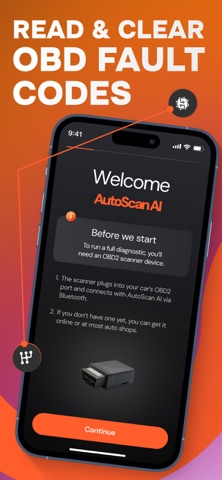
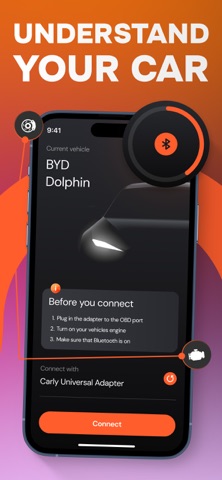
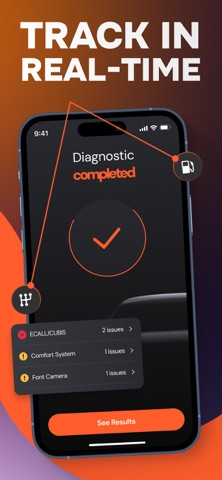
Turn your phone into a smart car diagnostic tool. With OBDDoc, you can easily connect to your OBD2 scanner via Bluetooth or Wi-Fi and discover what’s really happening under the hood. Read fault codes, clear warning lights, and monitor real-time engine data — all in one simple, powerful app. Whether you’re a car enthusiast or just want to save on repair costs, OBDDoc helps you become your car’s doctor. Key Features: Connect easily with Bluetooth and Wi-Fi OBD2 adapters Instantly read and clear fault codes View live engine parameters and sensor data Understand detailed diagnostics before visiting a mechanic Save money by identifying and fixing minor issues yourself Works with most OBD2-compliant vehicles worldwide How it works: Plug your OBD2 adapter into your car’s port Pair your adapter via Bluetooth or connect over Wi-Fi with your Phone Open the app, connect, and start scanning Become your car’s best mechanic — smarter, faster, and cheaper. *** Important Notes: All app features are subscription-based, and no free content or functionality is available. #Premium Features Include: -Real-time diagnostic -Advanced Performance metrics -Complete error code database -Instant fault detection ***A subscription is required to access all features. Details on pricing and subscription plans are available within the app. Terms of Use: https://www.apple.com/legal/internet-services/itunes/dev/stdeula/
Latest release
What’s New
- Improved connection stability with OBD2 adapters - Enhanced real-time engine data display - Bug fixes and general performance improvements - Compatibility updates for the latest vehicles
Audience growth
Ratings growth
Baseline captured. Growth appears after the crawler observes a changed rating count.
Momentum comes from crawler snapshots for the tracked storefront. “Viral growth signal” means unusually fast recent rating gains; it is an indicator, not download data.
Price tracking
Price intelligence
First snapshot captured. The trend line starts after the next crawler price observation.
- First observed Aug 7, 2026 · 7:32 AM Free
Screenshots